Abstract
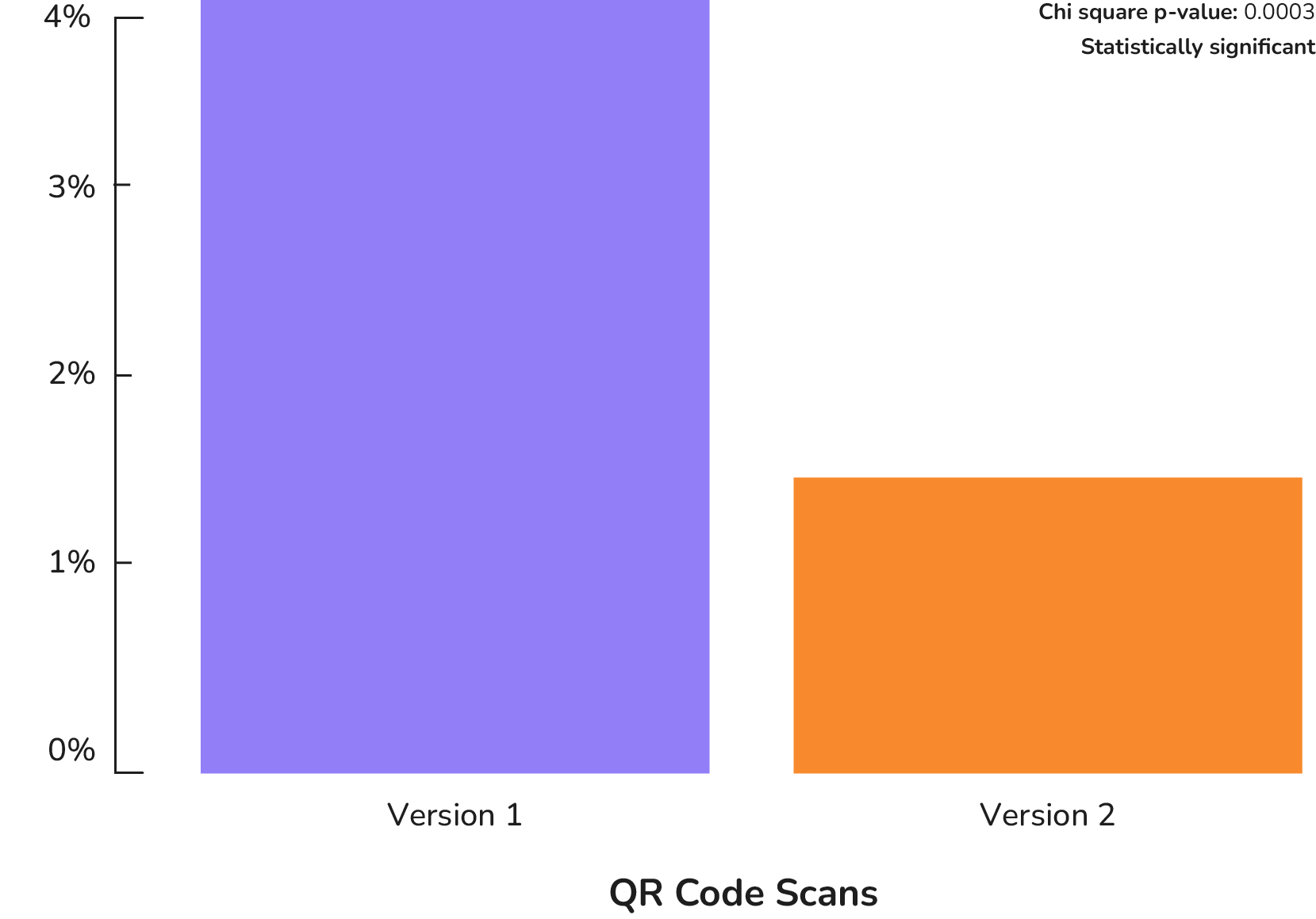
Sitara Systems designs interactive systems for cultural institutions. This report documents a year-long study, conducted with the Yale Peabody Museum and the Yale Program on Climate Change Communication, that asked a narrow question: when a museum audience already cares about climate change but underestimates how much everyone around them cares, does correcting that misperception change what visitors do next? We built a walk-up touchscreen exhibit that measured each visitor’s own concern, measured what they assumed their community felt, and then invited them to act by scanning a QR code linking to local climate organizations. In the first phase of the study (962 completed sessions between January and August 2025), we held all exhibit content constant and varied only the order in which visitors encountered a display of aggregated community sentiment. Visitors were strongly concerned about climate change — 81% registered as Alarmed or Concerned, against 54% nationally — yet 58% believed that fewer than half of their neighbors shared that concern. Reported willingness to act did not differ between the two orderings. Observed behavior did: visitors who saw the community’s aggregated concern earlier, before being asked to act, scanned the QR code more than 2.5 times as often as those who saw the same information later. We report the design, the Phase 1 findings, the confound that keeps them from being conclusive, and the control condition now running in Phase 2.
What the study found
The exhibit’s survey is built on the Six Americas Super Short Survey (SASSY), the Yale Program on Climate Change Communication’s validated four-question segmentation instrument, extended with two questions of Sitara’s own measuring the perception gap and willingness to act directly. Because both versions of the exhibit eventually revealed the same community data — they differed only in when — Phase 1 cleanly demonstrates that timing changes behavior, but can’t yet isolate the effect of the reveal itself against no reveal at all. That’s the question the Phase 2 no-reveal control, now running, is built to answer.
This is the primary data behind Social Legibility in Experiential Design, our 2026 Communication + Place paper, and was conducted in the same climate exhibit documented on the Yale Peabody Museum project page. It also underlies the audience-research behind our environmental communication practice. Read the full report