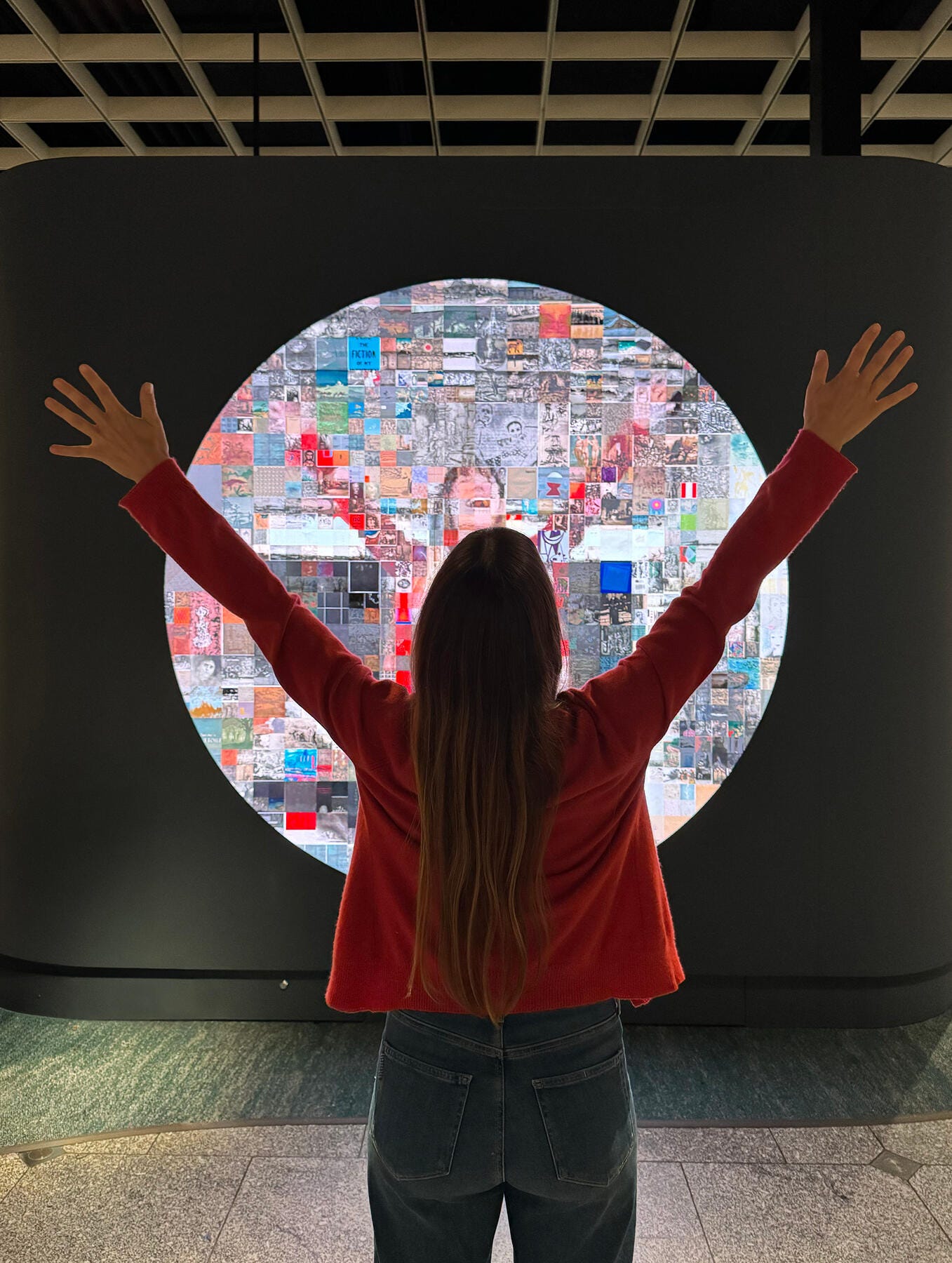
The Cleveland Museum of Art's ArtLens gallery is one of the most influential experiments in how the public encounters an art collection through technology. Its next generation — ArtLens Reimagined, opening in 2026 — was positioned as a successor to Gallery One: an AI-enabled gallery experience, a new mobile app, new gallery interactives, a modernized CMS.
Alongside that build list sat a problem of governance and time. When a museum lets AI participate in interpreting its collection, someone has to decide who owns and approves what the system says. That is a question of institutional trust, and it has to be answered in the architecture, before any tool is procured.
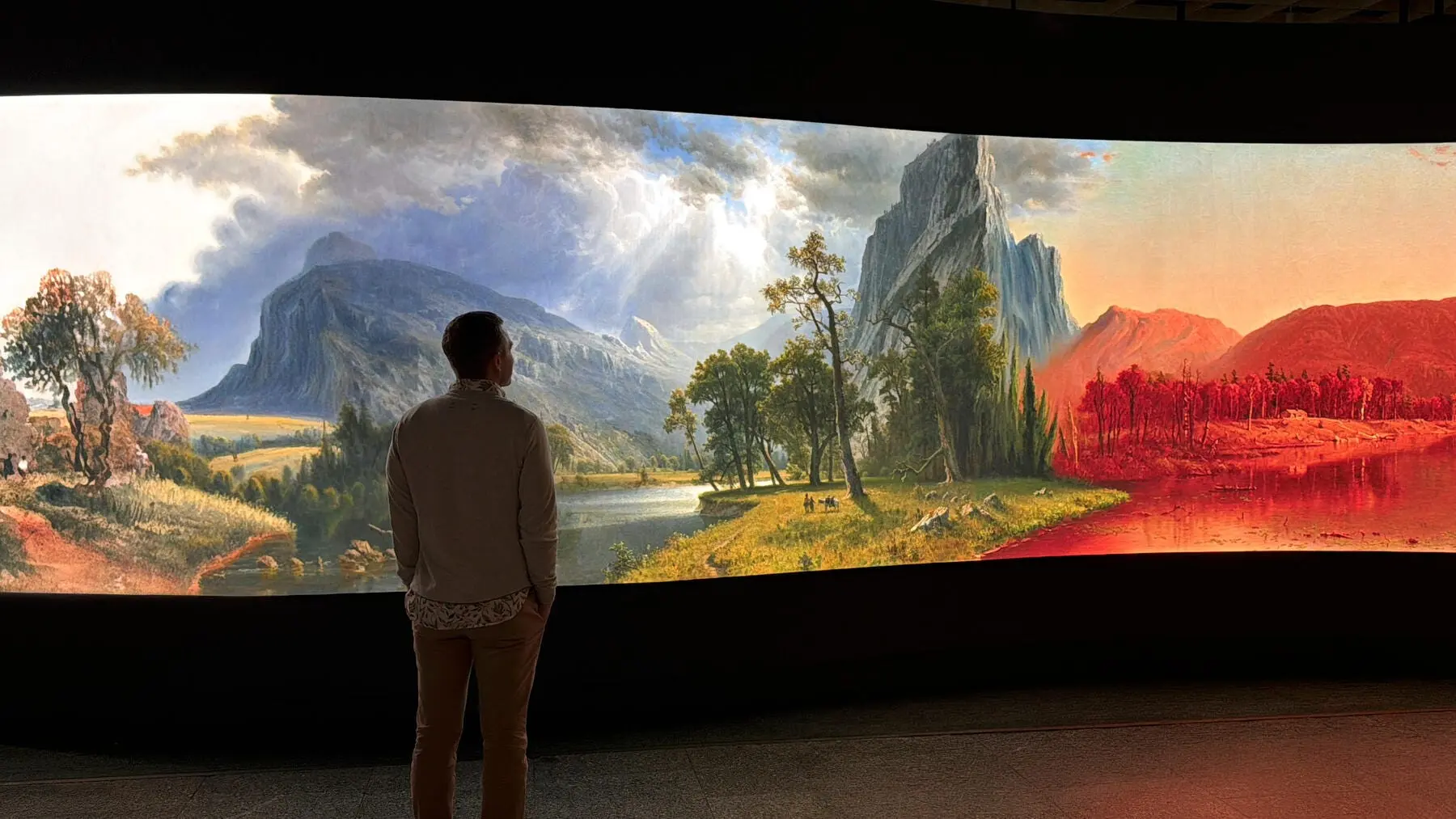
The questions we helped the museum answer: Who owns and approves AI-generated interpretation? How do interactives stay synchronized across gallery, mobile, and web? What collection data structure supports experiences that don't exist yet? What does reliability mean in a public museum? How does the system evolve over five to ten years without rebuilding from scratch?
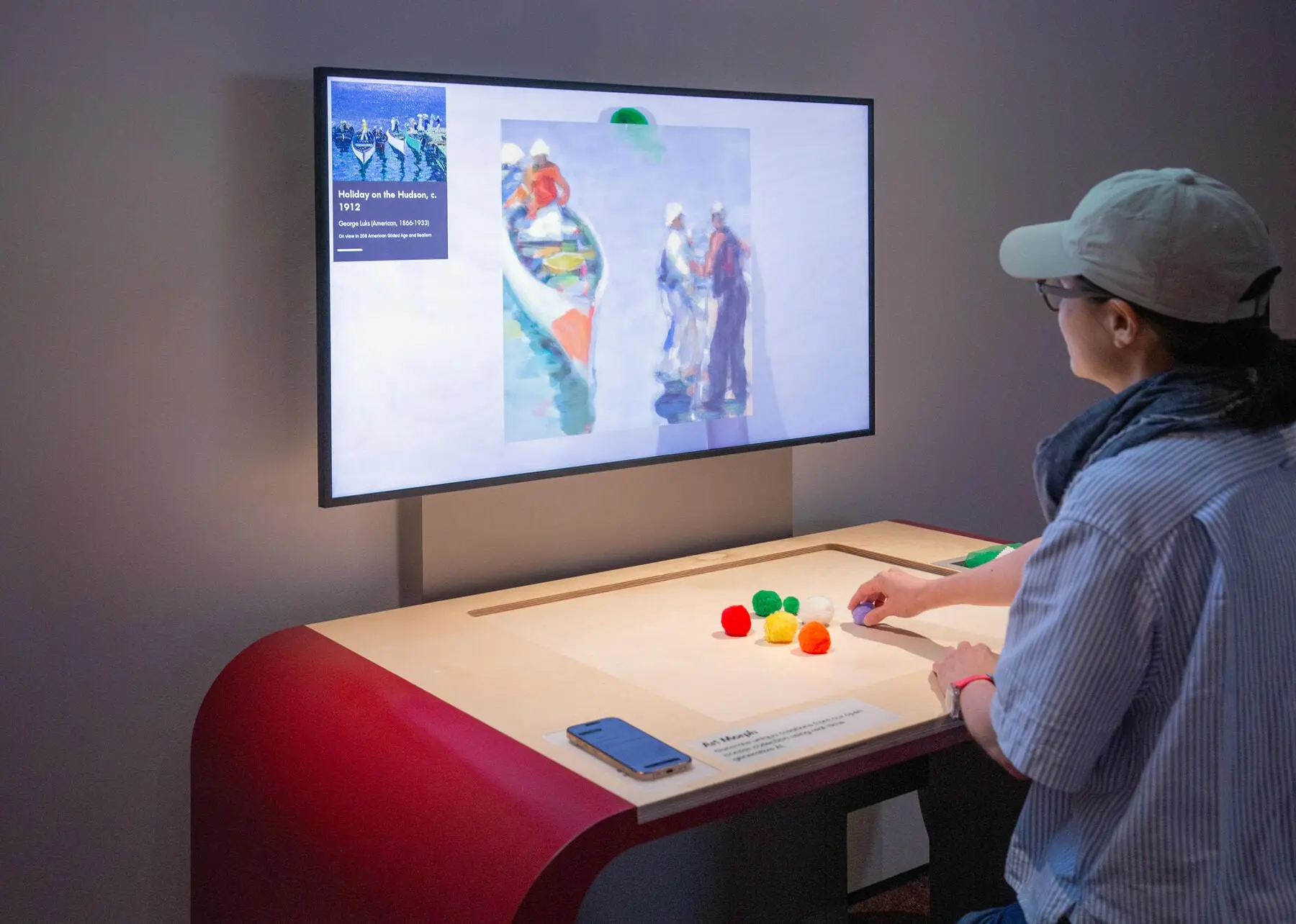
What we delivered was systems architecture: a cross-platform architecture centered on the collection rather than on any one experience, an AI integration framework with institutional approval built into the loop, a reliability and monitoring strategy, a CMS designed around the museum's actual workflow, and a 5–10 year lifecycle evolution plan.
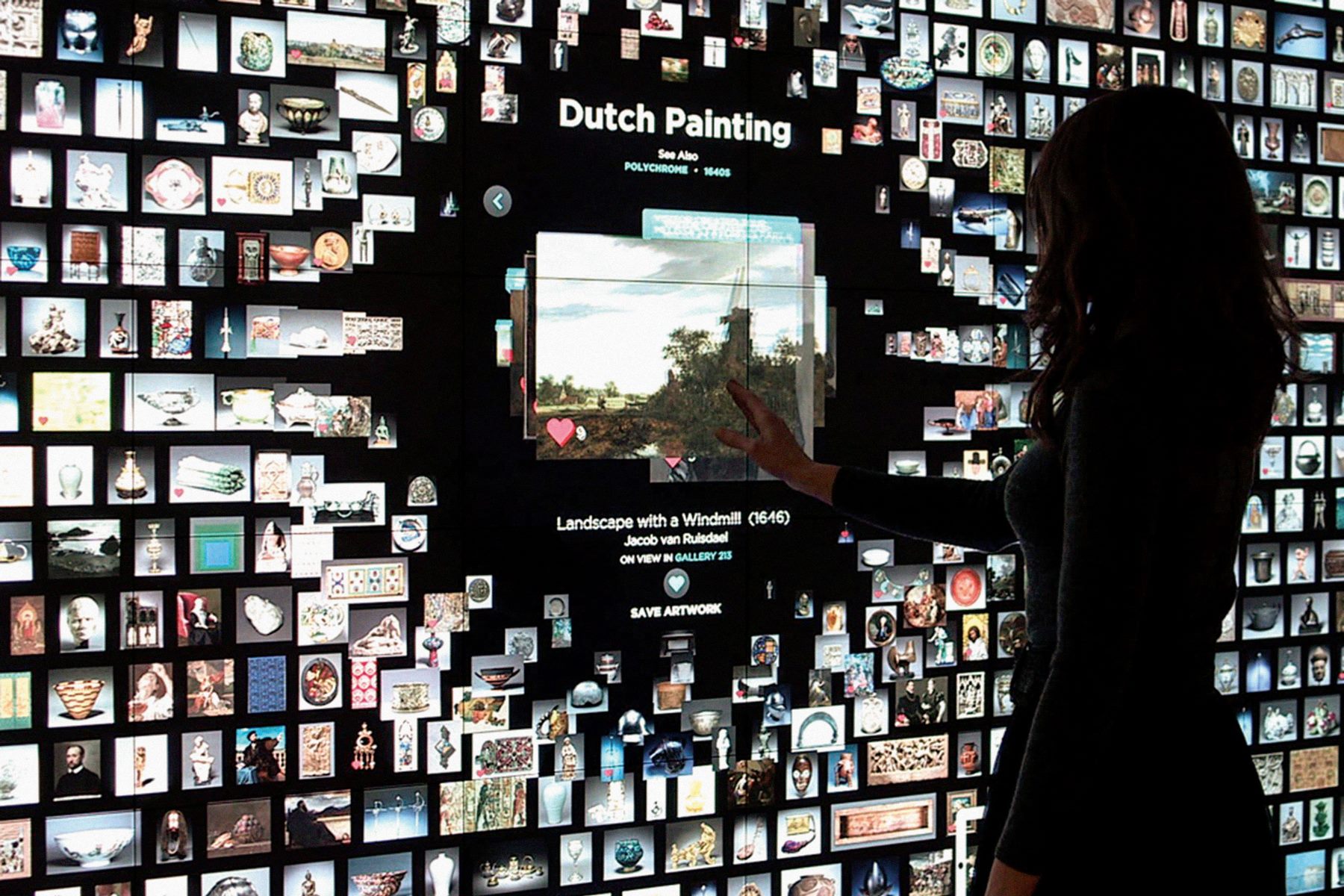
Then we built the platform that runs on those answers. Sitara built a new content management system for the gallery from scratch — carrying forward only a few elements of the original — designed around the museum's Open Access collection API, itself one of CMA's landmark contributions to the field. On top of it sit the modules for the gallery interactives and the mobile app, the real-time infrastructure that keeps what a visitor makes in the gallery synchronized with their own device — engineered so nothing a visitor creates is lost, even when a phone disconnects — integrations with digital asset management and authentication systems, and the administrative tools the museum's staff use to run it all. The work supported parallel development by the museum's internal team and its experience-design partners, on a delivery timeline built around the gallery's public opening.
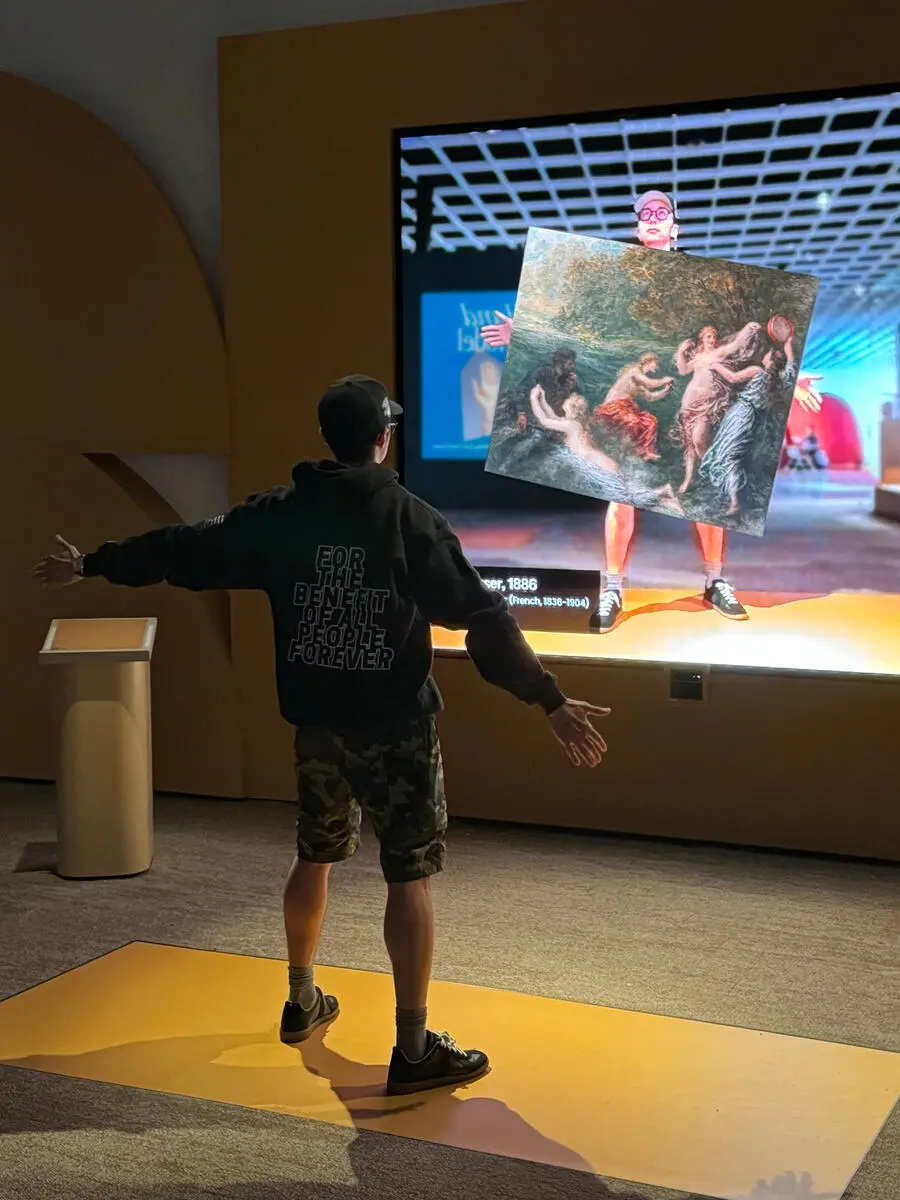
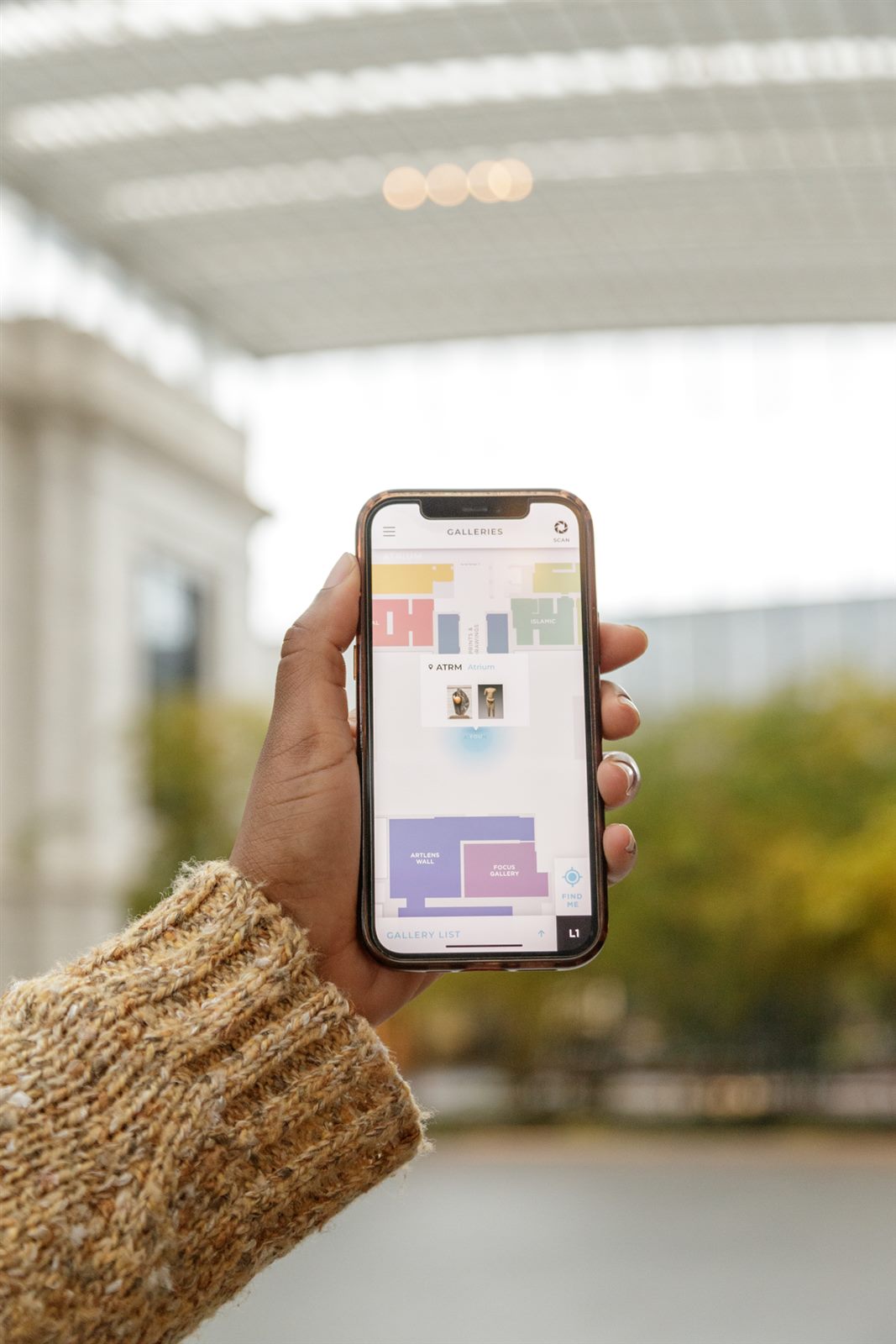
The architecture also carries the gallery's accessibility. Every interactive in the space has a paired experience on the visitor's own phone: real-time instructions, events, and metadata, synchronized with what's happening in the room, so a visitor who can't use a gallery interface directly — or simply prefers their own device — gets a coherent, first-class version of the same experience. That's what we mean by accessibility-as-architecture: the affordance isn't bolted onto each exhibit, it's a property of the system underneath all of them.
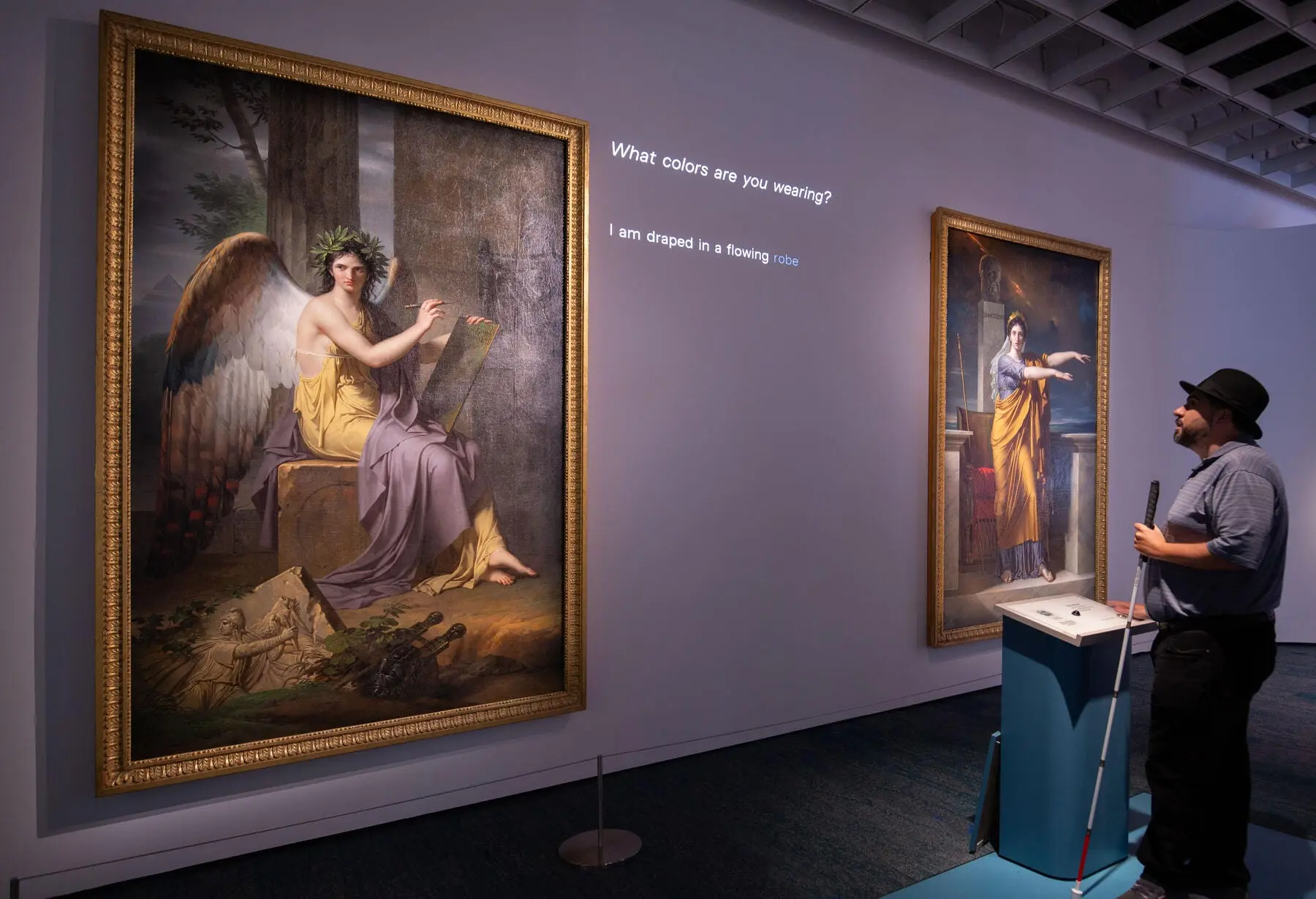
Museums will be living with AI interpretation for decades. The institutions that do it well will be the ones that answered the ownership question first.